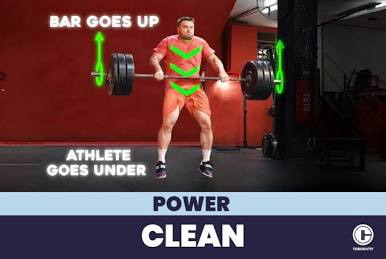
The power clean is one of the most dynamic and explosive lifts in weightlifting, requiring a combination of strength, speed, technique, and coordination. It is a vital movement for athletes across various sports, improving power, speed, and overall athleticism. However, mastering the power clean can be challenging, and many athletes struggle with proper form, leading to inefficiency and potential injury. As a coach, understanding common errors and providing clear cues can make all the difference in helping your athletes perform the lift safely and effectively.
Common Errors in the Power Clean
1. Incorrect Starting Position
• The Problem: A poor starting position is one of the most common errors in the power clean. When the lifter begins the movement with their hips too high or too low, it can result in a less efficient pull, compromising the entire lift.
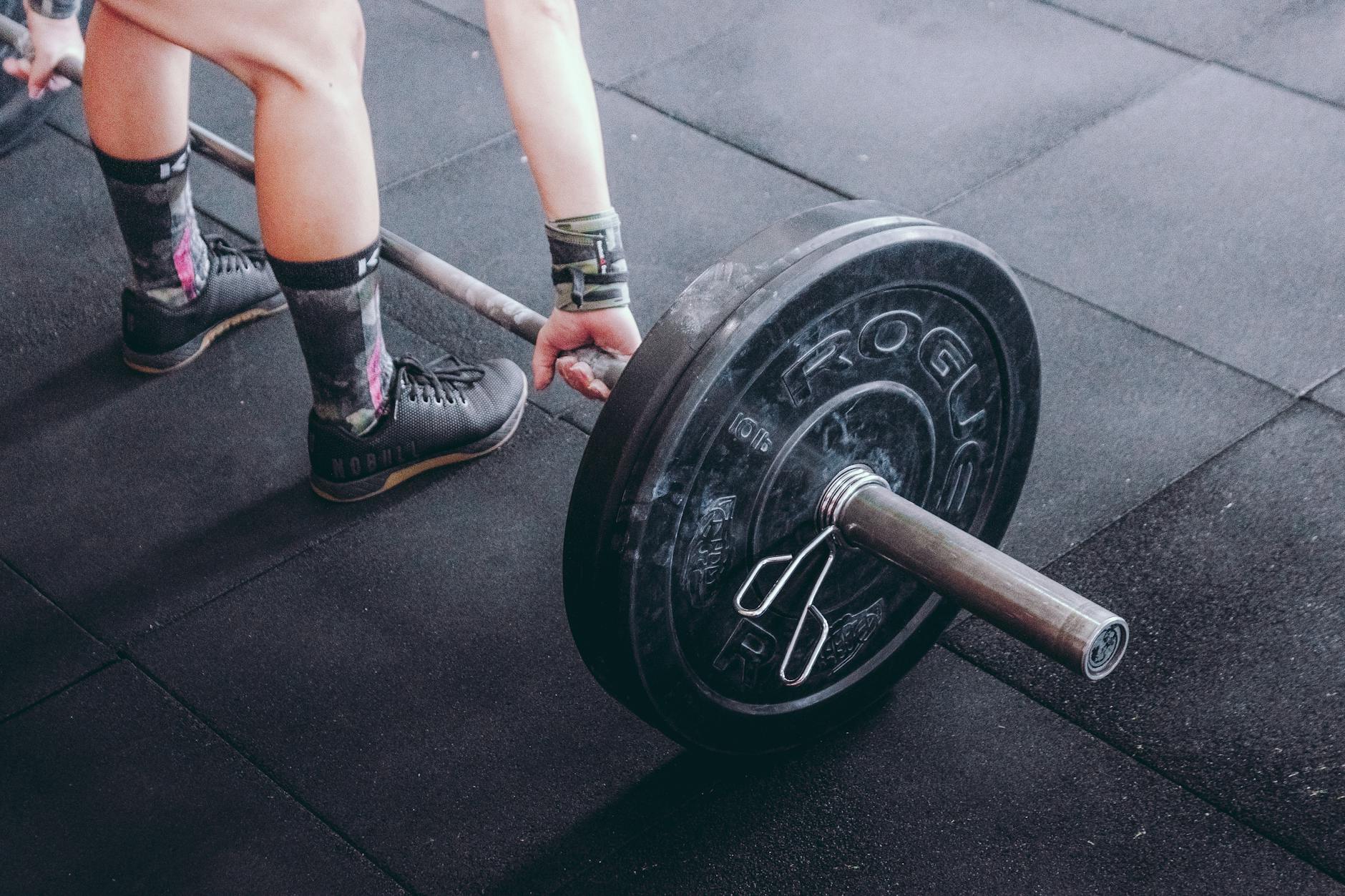
• The Fix: Ensure that the lifter’s hips are in a neutral position, with the shoulders slightly ahead of the bar. The back should be flat, not rounded, with the chest up. The lifter’s feet should be about hip-width apart, and their grip should be slightly wider than shoulder-width.
2. Not Driving Through the Heels
• The Problem: Many athletes mistakenly rely on their toes to push the bar upward, which causes them to lose balance and reduces the power generated from the ground.
• The Fix: Remind your athletes to focus on driving through their heels and maintaining a strong connection with the floor. The power should come from pushing through the legs, not from lifting with the back or shoulders. Keep the weight on the heels during the initial pull, ensuring the body stays balanced and strong.
3. Pulling with the Arms Too Early
• The Problem: Pulling with the arms too early is a common issue in the power clean. This typically happens when the athlete tries to “muscle” the weight up, instead of using their legs to generate the force. This can also lead to inefficient bar path and shoulder strain.
• The Fix: Instruct athletes to focus on keeping their arms relaxed and straight during the first part of the pull. The arms should only bend after the hips have fully extended. The key is to use the legs and hips to generate the initial upward force, allowing the arms to follow once the bar has reached a sufficient height.
4. Not Extending the Hips Fully
• The Problem: Another common error is not fully extending the hips at the top of the pull. The lifter may prematurely drop under the bar or not fully open their hips, which limits the explosive power generated and results in a less efficient lift.
• The Fix: Emphasize the importance of hip extension. The lifter should focus on driving their hips forward as they reach the top of the pull, finishing with the body in a fully extended position. A good cue is to “snap the hips” and imagine thrusting the hips forward to generate maximum power.
5. Improper Bar Path
• The Problem: A poor bar path is often seen when the bar swings out in front of the body, rather than traveling in a straight line. This error can result in the lifter’s body overreaching or straining the shoulders and lower back.
• The Fix: Encourage athletes to keep the bar as close to their body as possible, ensuring it stays directly over the mid-foot throughout the lift. A good cue to reinforce this is to “scrape the shins” as the bar comes up, keeping it in a straight line from the ground to the chest.
6. Jumping or Overextending the Body
• The Problem: Some athletes mistakenly believe they need to “jump” the bar up by extending their bodies violently. This can lead to poor control of the bar and an inefficient lift.
• The Fix: Instead of jumping, the lifter should focus on driving through the legs and extending the hips. They should push against the floor as if they’re accelerating their body upward, not through an exaggerated jump. The goal is smooth acceleration rather than a violent upward motion.
Coaching Cues for the Power Clean
To help athletes refine their technique and avoid common errors, coaches can provide the following cues:
1. “Push the Floor Away”
• This reminds the athlete to drive through their heels, not their toes. Focus on pushing the floor away to engage the legs and maintain balance during the pull.
2. “Stand Tall”
• A cue to ensure full hip extension at the top of the pull. The athlete should think about standing tall and extending their body as if they were trying to reach the ceiling with their hips.
3. “Shrug and Jump”
• As the lifter nears the top of the pull, remind them to shrug their shoulders and aggressively extend their body. This cue helps reinforce the idea of using the hips and shoulders together to propel the bar upward.
4. “Pull Yourself Under the Bar”
• Once the bar reaches the peak of the pull, athletes should be reminded to aggressively “pull themselves” under the bar into the catch position. This promotes a fast and smooth transition into the receiving position.
5. “Keep the Bar Close”
• Emphasize the need to keep the bar close to the body throughout the movement. This reduces the risk of swinging the bar out in front and increases control.
Drills to Improve the Power Clean
1. Hang Power Clean
• This variation removes the initial lift from the floor, allowing the athlete to focus on the explosive movement from the hang position. It reinforces proper bar path and hip extension.
2. Tall Clean
• Start from a standing position, with the barbell in front of the body. This drill helps athletes focus on the shrug and hip extension without using the legs to pull from the floor.
3. Power Clean with Pauses
• Pause at key positions during the lift, such as just above the knees, at the mid-thigh, and at full extension. This drill helps athletes feel where the errors are occurring and allows them to focus on key elements of the lift.
Conclusion
The power clean is a highly technical lift that requires precision, strength, and explosiveness. By focusing on correcting common errors and reinforcing proper technique with clear coaching cues, athletes can dramatically improve their performance and reduce the risk of injury. As with any movement, practice, patience, and consistent feedback are key to mastering the power clean and reaping the benefits of this powerful lift.
 Bartlett Strength and Conditioning
Leave a comment